NEWS, REVIEWS
& INTERVIEWS
AL'S AUTHOR NEWS
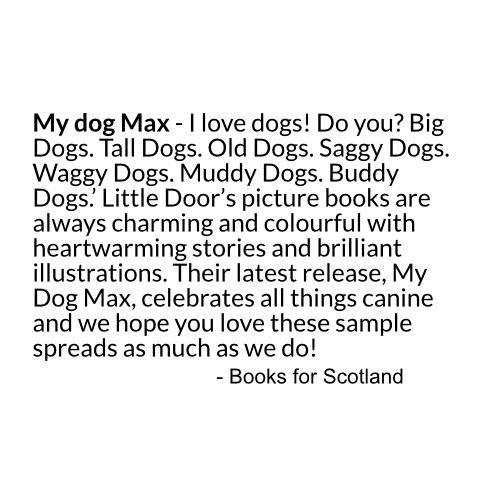
I've really enjoyed writing my latest picture book 'My dog Max'. I will be showcasing it at author events including the Arc Spring Fling at Glasgow Uni, and the Boswell Book Festival. I love visiting schools and libraries too. See my LOOK & BOOK page for more information.
Happy Reading!
RECENT REVIEWS
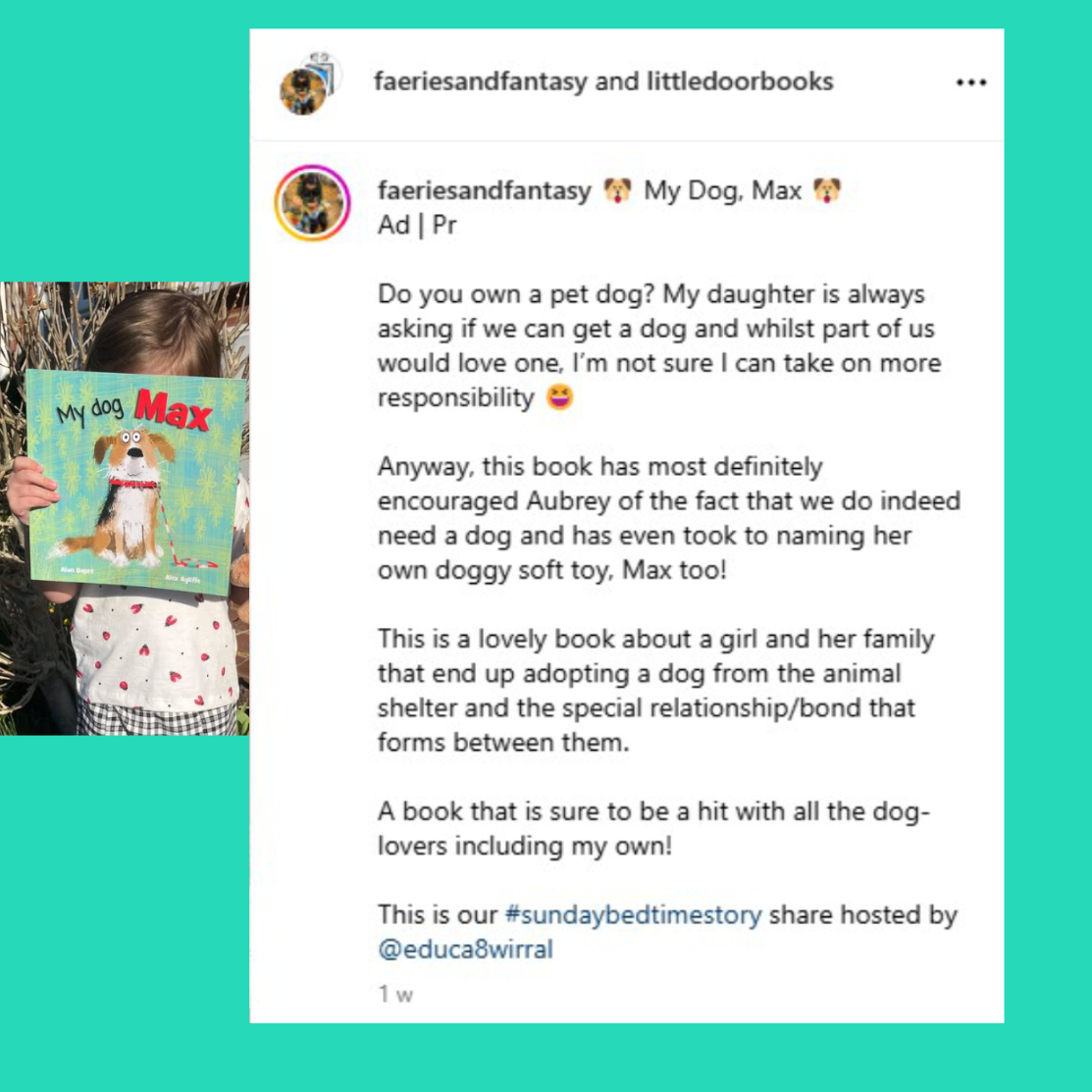
New review - My dog Max
MORE REVIEWS
from bloggers, reviewers, The Guardian, The Times, The Good Book Guide, The Observer & The School Librarian.




INTERVIEWS & ARTICLES
about Alan and his books


THE BIG INTERVIEW
Read about my inspiration, motivation, character creation, tips, techniques and much more!
Tap the tabs to see my answers.
I always love writing a series of books because it gives me time to develop the characters, and explore the crazy world they live in. I planned the Porridge books to be about a family with special skills and hidden talents. Not everything goes to plan for the McFun family. Mum is a super-scientist (who ends up shrinking herself), Dad is an archaeologist (who becomes a dinosaur). Ross turns into a Scarewolf, Grandad is a secret spy, Gran was a singer in a best-selling band. And Isla becomes invisible. All of this is cat-a-logged by Porridge the Tartan Cat, who is suPURR cool!
Meeting the characters again and again is wonderful. I especially love writing about Isla because she is based on my daughter, Isla. I originally used the name as a place-holder and it stuck. Yuliya Somina, the illustrator, drew images from photographs of my daughter Isla then about six years old. These drawings became the basis of the girl you see in the books. Short bobbed haircut, glasses and a big smile! We call my daughter Real Isla and the one in the book Drawn Isla. Real Isla sometimes comes to my author events, and each appearance is a big surprise for the audience.
The stories were plotted right from the start. I wrote a synopsis of each book for the publisher, as it is better to pitch a series idea rather than a single book. I knew I wanted to make Mum a scientist who shrinks, and turn Dad into a dinosaur, etc. I was going to have Isla become super-stretchy, but then the alliteration took over. Invisible Isla. Roaring Ross. Groovy Gran. Dino Dad, etc. So Isla’s invisibility came from the fact I needed a word that began with ‘I’. Also, I really wanted Porridge to become invisible too – and be a bit like the Cheshire Cat in ‘Alice’s Adventures in Wonderland’ who ends up with just a smile.
Television is very visually orientated and so is a chapter book for young readers. When I write, I like to see the action in my mind. Often, I will draw it on sticky notes and move the sketches around until the action feels right. My stories are all about DOING. I do not have my characters standing on the spot spouting out what they might do. I just get them to do it. Television scripts are always required yesterday. There will be a production team desperate to find locations. create props and film scenes. It is a lot of pressure on the writer. Writing a book involves fewer people. Once commissioned, I will have an editor who helps shape the story and tweak my words. In the world of television there will be producers, a director, actors and production staff. Lots of voices all chipping in. A key difference is that reading a story is more of an active task than watching one. I like my readers to really engage with the story and have fun with the jokes.
The main thing I want children to do is have fun. To come away enthused about creative ways they can play with words and sounds. I get volunteers to interact with me and my props. So we might investigate how loud a dinosaur roars, tackle three tricky tongue twisters, invent new character names, have fun with puns, make up silly sounding world championships, mess about with meta-stories, and fish for piranhas! It is all about running around and thinking side-ways!
I have an in-built sense of what is funny. I tend to write a line and read it back. If it feels right it stays in. If not, I’ll rework the line. I am happy to cut anything that doesn’t work. If it feels forced then it probably is. Often an editor will question a joke and possibly rewrite it. I then have the opportunity to accept, reject or rewrite the text myself. I tend to write each joke first and get feedback later. My daughter is a brilliant unofficial editor and is always offering up super suggestions. I get a kid’s eye view which is very helpful. Sometimes grown-ups do not get particular jokes but I like to keep them in as I know my young readers will.
Kids that age show no mercy. If they don’t like a book, they will drop it like a hot potato. They have a sophisticated wired-in sense of humour. The writing therefore must surprise, delight and challenge them, often all at the same time. Books for this age range are usually accompanied by illustrations. It is important to think visually as you write, to enable the illustrator to pick out scenes. I offer suggestions to the editor and illustrator then sit back and let them work their magic.
Let the children see you read. Have a captivating library of books in the classroom that pupils are free to explore. Invite authors to send you tweets, postcards, letters and posters. Give children a greater appreciation of the people behind the books. If possible, invite authors in to share their work and the magic. Focus on a particular author or illustrator, perhaps? Have a word of the week. Special words that children love to say out loud, or that have a quirky meaning. Help children to develop a broader vocabulary; awesome words they can use in their creative writing. Make reading part of the classroom DNA. Turn a rectangular door into a book cover, fill walls with children’s writing, have a shared story time, enjoy the brilliant buzz of books!
Porridge is beautifully illustrated by Yuliya Somina. I asked for a bold style with lots of energy and lively line work. Yuliya took this note and added so much more. I love her illustrations, and it is a treat to see my daughter drawn in Yuliya’s uniquely expressive way. She nailed it right from the start. A picture can, indeed, speak a thousand words. Instead of me describing a dancing elephant, you can see it cavorting on the page. It will be so much funnier. ‘Show don’t tell’ is my motto. Stories are all about action. Illustrations are there to enhance and reflect that action.
Seeing my daughter pictured in her own story – being bold, adventurous, funny and kind. Just as she is in real life.